Lodi
Wine country living with small-city amenities—where old vines and new families both put down roots
More Than a Song Lyric
Yes, Creedence Clearwater Revival made Lodi famous with a song about wanting to leave. The irony? People can't stop moving here. This Central Valley city of nearly 70,000 has transformed from agricultural town to wine country destination while maintaining the unpretentious character that makes it genuinely livable. Browse available homes in Lodi to find your wine country property.
What draws them? Start with home prices roughly half what comparable properties command in the Bay Area. Add over 100 wineries producing world-class Zinfandel. Factor in a walkable downtown with actual independent businesses. Include schools that parents choose rather than flee. Check our local recommendations for the best restaurants, services, and hidden gems.
Lodi at a Glance
Roots Run Deep
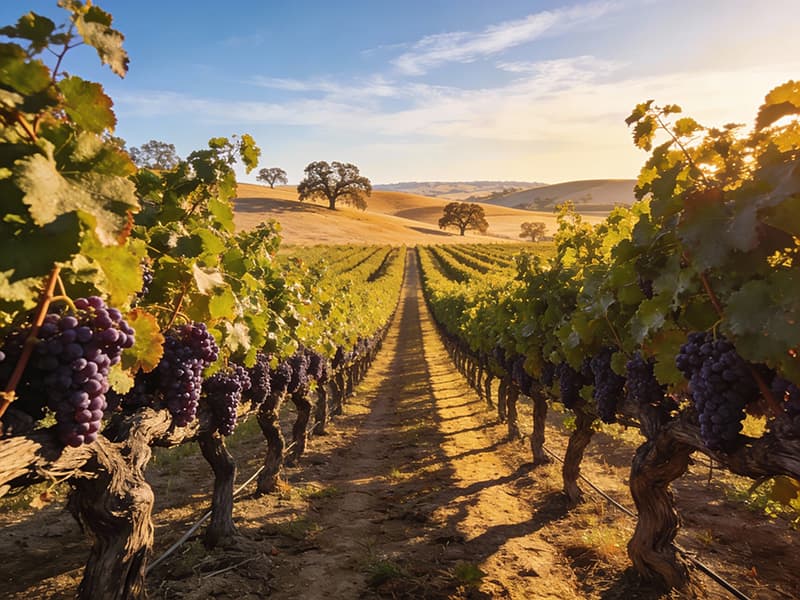
The Tokay grape put Lodi on the map in the early 1900s. But it's the old-vine Zinfandel that defines modern Lodi wine country. Some vines here have been producing grapes for over a century, their gnarled trunks and deep roots creating complex flavors that younger vineyards simply can't replicate.
The transformation from agricultural center to wine destination happened gradually, then suddenly. Family vineyards started bottling their own wines. Critics noticed. Now the Lodi AVA earns recognition alongside California's most celebrated appellations. For a smaller wine country experience, explore Clarksburg, just 15 minutes from Sacramento with intimate tasting rooms.
Life in Lodi
Zinfandel Capital of the World
Lodi earned its title honestly: the region's old-vine Zinfandel grapes produce wines that rival anything from Napa or Sonoma. Over 100 wineries dot the landscape.
Walkable Downtown
School Street and surrounding blocks offer something increasingly rare: a genuine downtown where you can spend an afternoon wandering from local shops to restaurants to wine bars.
Family-Friendly Living
Excellent schools, safe neighborhoods, and the kind of community involvement that raises healthy kids—Lodi delivers what families seek.
Value Without Compromise
Median home prices around $500,000 in a community with genuine character, good schools, and wine country at your doorstep. Compare that to Bay Area equivalents at triple the price.
Who Finds Home in Lodi?
Families priced out of coastal markets who refuse to sacrifice quality of life for affordability. Wine industry professionals drawn to a region still defining itself. Remote workers who realized they could trade their Bay Area apartment for a house with a yard. Our relocation guide makes moving to Lodi straightforward and stress-free.
Lodi rewards people looking for substance over status. If you want to build a real life in a real community, pull up a chair at the bar and introduce yourself.
Ready to Explore Lodi?
Let's discuss what makes wine country living in Lodi special and find your perfect home.