Walnut Grove
The Delta's oldest river settlement, where California history lives on both banks
Where the Sacramento River Tells Its Story
When John Sharp arrived from Ohio in 1850 and saw the dense stands of walnut and oak trees lining this bend of the Sacramento River, he knew he'd found something worth staying for. What grew from that first settlement became one of California's most historically significant river towns. Discover available homes in Walnut Grove and experience historic Delta living.
Today, roughly 1,450 people call Walnut Grove home. They're drawn to the historic architecture, the river access, and a pace of life that Sacramento's suburbs can't replicate. Our Delta relocation guide helps newcomers transition smoothly to river town living.
Walnut Grove at a Glance
Layers of History
The Delta as we know it didn't exist until Chinese immigrants created it. In the 1870s and 80s, they engineered a network of levees that transformed treacherous marshland into farmable islands.
Japanese immigrants arrived in successive waves, establishing their own commercial district. By 1914, Japanese and Chinese business owners operated 67 establishments in town. Their buildings—now protected by federal historic designation—still line the old town streets. Nearby Isleton preserves similar Asian-American heritage through its National Register Historic District.
Life in Walnut Grove
Living History on Both Banks
Walnut Grove holds the distinction of being the only Delta town spanning both sides of the Sacramento River—you won't find another until Red Bluff, far to the north.
National Historic Significance
As one of the few remaining Japanese-American built cities in the United States, Walnut Grove earned federal recognition and National Historic Landmark status.
River Town Rhythms
Life here moves with the Sacramento River. Boaters pull up to waterfront eateries. Locals gather at establishments that have served the community for generations.
Agricultural Roots
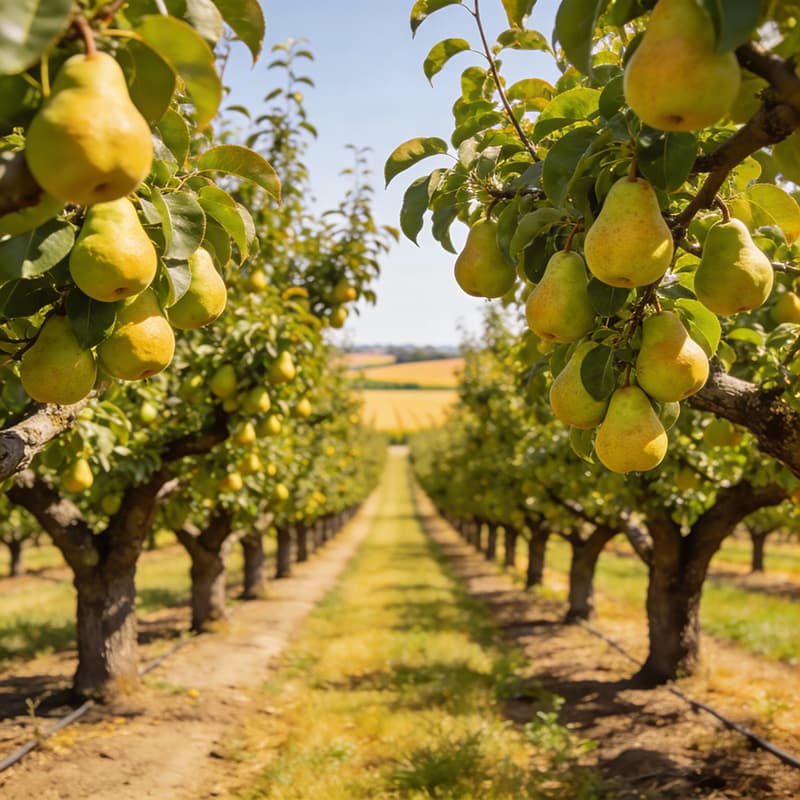
The fertile Delta soil around Walnut Grove produced legendary crops: Bartlett pears that shipped worldwide, asparagus that defined regional cuisine.
Gateway to Locke
Just a mile north sits Locke—the only town in the United States built entirely by Chinese immigrants for Chinese immigrants. Founded after the 1915 Walnut Grove fire, Locke remains remarkably preserved and draws visitors from around the world. Living in Walnut Grove means this piece of irreplaceable California history is your neighbor.
Who Finds Home in Walnut Grove?
History enthusiasts who want to live surrounded by it rather than just visit. Families seeking tight-knit community where teachers know students by name. Boaters and anglers who want to launch from their backyard. Setting up your new home? Check our utilities setup guide for step-by-step assistance.
If you're looking for somewhere with soul, you might want to take that drive down Highway 160.
Want to Explore Walnut Grove?
Let's discuss what makes this historic river town unique and find the right property for your lifestyle.